

The reality of a blended family is often much more complex. It involves navigating grief, loyalty conflicts, different parenting styles, and the “ghosts” of past relationships. If your new family feels more like a battlefield than a sanctuary, you aren’t failing. You are just in the thick of a very difficult transition. This guide explores the unique challenges of step-families and how blended family counseling can help you move from confusion to connection.
Why Is It So Hard? The Unique Challenges of Blended Families
Merging two distinct family cultures is inherently difficult. Recognizing these common pain points is the first step toward resolving them.
The “Insider/Outsider” Dynamic (Biological vs. Step)
In a biological family, everyone shares the same history. In a blended family, there is often a strong “insider” bond between the biological parent and their children, leaving the stepparent feeling like an “outsider.” This can lead to intense feelings of isolation for the stepparent and guilt for the biological parent who feels stuck in the middle.
Navigating Discipline: “You’re Not My Dad/Mom!”
This is the classic battle cry of the stepchild. When a stepparent tries to enforce rules too early, it often backfires. Children may resent the new authority figure, feeling that their loyalty to their biological parent is being threatened.
The Shadow of the Ex: Co-Parenting Complexities
You aren’t just blending two adults and kids; you are navigating the influence of ex-partners. Co-parenting with an ex adds a layer of complexity, especially if there are high-conflict dynamics or different rules at the other parent’s house.

Essential Step-Parenting Advice: Connection Before Correction
If there is one golden rule in step-parenting advice, it is this: Connection before Correction.
Building Rapport Without Forcing Love
Don’t pressure yourself (or the kids) to love each other immediately. Respect and kindness are the initial goals; love is a bonus that grows over time. Focus on building a one-on-one relationship through shared interests or low-pressure activities before trying to be a “parent.”
Letting the Biological Parent Lead on Discipline
For the first year or two (or longer, depending on the child’s age), the biological parent should remain the primary disciplinarian. The stepparent’s role is to support the biological parent and build a relationship with the child, not to hand out punishments. This reduces friction and allows trust to build.
How Blended Family Counseling Creates a New Family Identity
Counseling provides the neutral ground needed to merge two cultures into one “new” family.
Creating New “House Rules” and Traditions Together
Every family has unspoken rules. Counseling for blended families helps you articulate these and create new traditions that belong to everyone. This shifts the dynamic from “your way vs. my way” to “our way.”
Providing a Safe Space for Children to Grieve and Vent
Children in blended families are often grieving the loss of their original family unit. Therapy gives them a safe space to express anger, sadness, or confusion without fearing they will hurt their parents’ feelings.
Strengthening the Couple Bond Amidst the Chaos
The foundation of the family is the couple. If the marriage is stressed, the children feel it. Counseling ensures the couple remains a united front, prioritizing their relationship amidst the demands of parenting.
The “Slow Cooker” Approach: Why Patience is Your Best Strategy
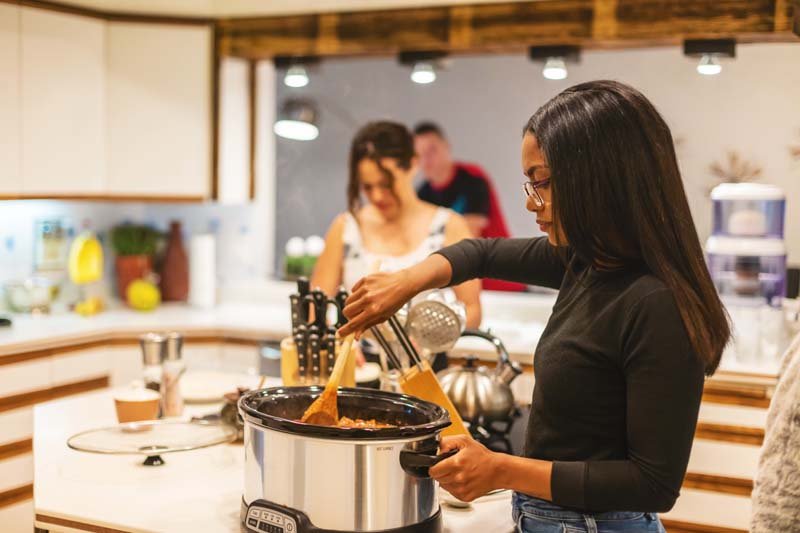
Relationship experts often say that a biological family is like an Instant Pot—relationships are formed instantly at birth. A blended family is like a Slow Cooker. It takes time for the ingredients to soften and the flavors to meld. Research suggests it can take 4-7 years for a blended family to fully integrate. Adjusting your expectations from “instant love” to “slow-growing respect” can relieve a huge amount of pressure.
Harmony is Possible, One Step at a Time
Blending a family is a marathon, not a sprint. It requires patience, thick skin, and a lot of love. But the reward—a resilient, diverse, and loving support system—is worth the effort.
If you are navigating the complex journey of merging families, you don’t have to do it without a map. Our experts can help you build a united home. To learn more about the basics of how therapy helps, read our guide on . If you are ready for personalized support, please .
Common Questions from Blended Families
How long does it typically take for a blended family to bond? As mentioned, it is a “slow cooker” process. While some families bond quickly, it is normal for it to take 2 to 7 years to feel like a cohesive unit. Patience is your most important tool.
What if my stepchild refuses to respect me? Respect is a requirement; affection is not. In counseling, we work on establishing baseline respectful behaviors (like speaking politely) while removing the pressure for the child to view the stepparent as a “parent” figure immediately.
Should we force the step-siblings to spend time together? Forced relationships often breed resentment. Facilitate opportunities for them to hang out, but allow their relationships to develop organically. They don’t have to be best friends; they just need to be respectful housemates.
How do we handle different rules at the ex’s house? You cannot control what happens at the other house. Focus on being consistent at your
 English
  Chinese