

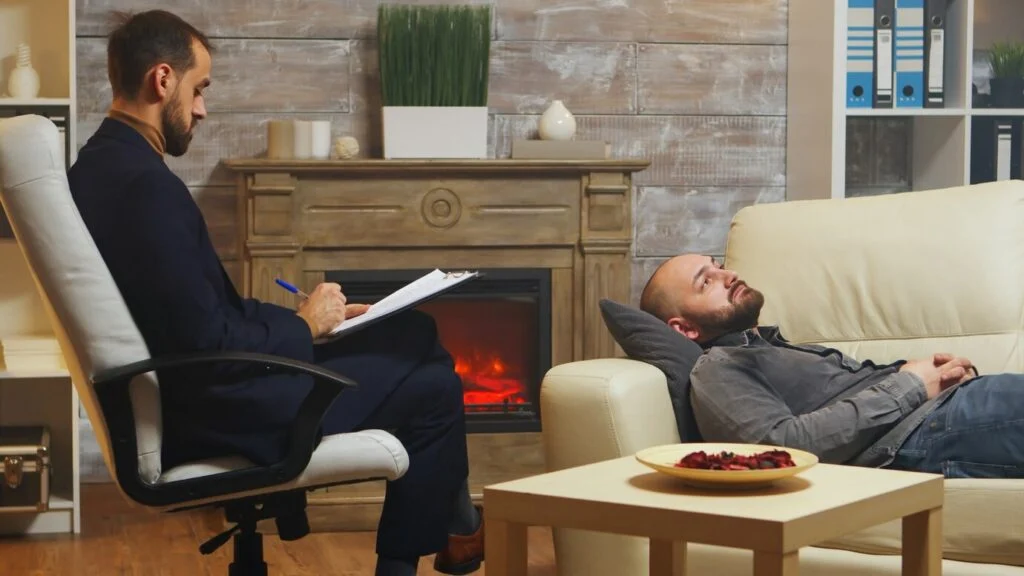
Once you’ve made the important decision to seek couples therapy, you face another key choice: should you meet your therapist online or in person? In today’s world, online couples therapy has become as credible and effective as traditional sessions. This guide isn’t here to declare a winner in the online vs in-person therapy debate. Instead, our goal is to provide a clear, balanced comparison to help you confidently choose the format that is right for you. Discover the flexibility we offer through our virtual marriage counseling services.
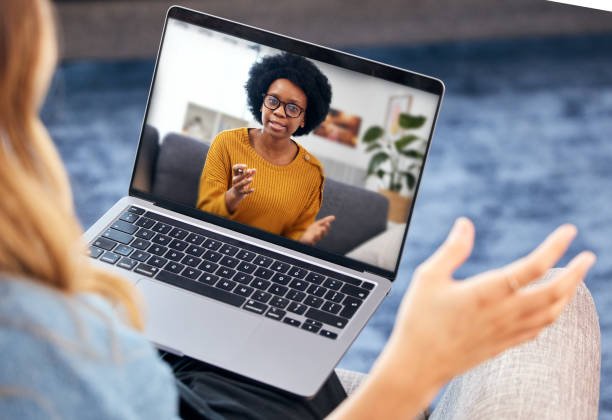
The Rise of Virtual Marriage Counseling: Convenience & Accessibility
Online therapy is more than just a trend; it’s a powerful and legitimate form of support. Let’s explore the primary benefits that make it an appealing choice for so many couples.

Therapy That Fits Your Schedule (and Location)
One of the biggest advantages is the elimination of travel time. With no travel required, it’s far easier to fit a session into a busy workday. It also opens up possibilities for couples in long-distance relationships or those living in areas with few local therapists. Flexible scheduling is a key feature.
Comfort and Privacy from Your Own Home
For many, discussing sensitive topics feels easier in a familiar environment. Being in your own home can reduce anxiety and create a safe space for open conversation. It also offers a level of privacy that some people prefer over sitting in a waiting room.
Access to a Wider Pool of Specialized Therapists
When you’re not limited by geography, you can find a specialist perfectly suited to your needs. Whether you’re dealing with a specific issue like infidelity or looking for a therapist with a particular cultural competency, online platforms allow you to connect with the ideal relationship expert for you.
The Enduring Power of In-Person Therapy: Connection & Focus
To make a fair comparison, it’s important to acknowledge the unique strengths of traditional, in-person counseling. This format has been the standard for a reason.
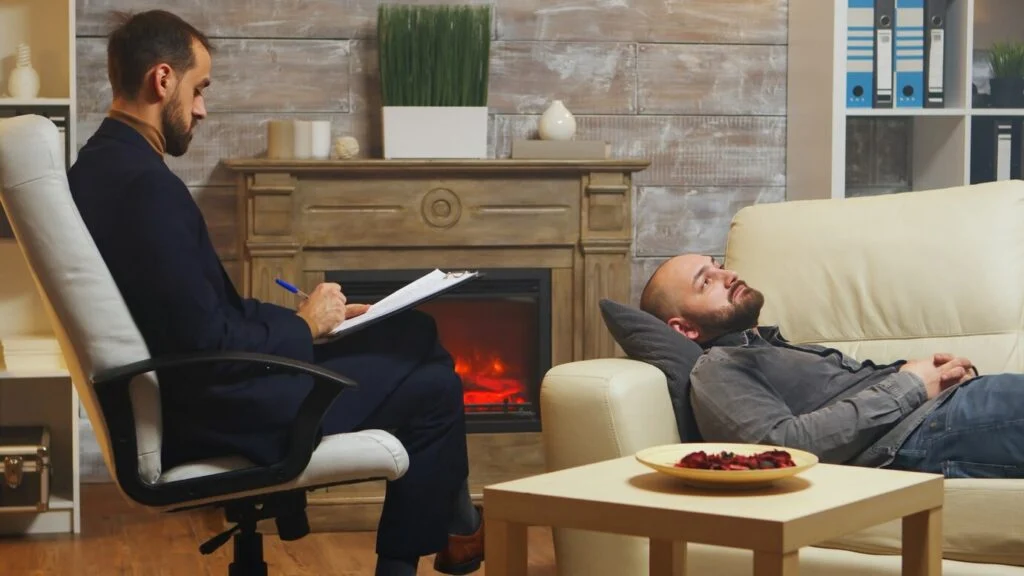
The Nuances of Non-Verbal Communication
Being in the same room allows the therapist to pick up on subtle body language and non-verbal cues. While video quality is excellent today, some find that the energy and subtle cues of face-to-face interaction are irreplaceable.
A Dedicated, Neutral Space Away from Home
For some couples, leaving the home environment is a crucial part of the process. An office provides a neutral, safe environment where you can focus solely on your relationship without the distractions of pets, children, or household chores.
Zero Technological Distractions or Glitches
While technology is generally reliable, it’s not perfect. In-person sessions guarantee no interruptions from a poor internet connection or software glitches, ensuring the therapeutic flow is never broken.
Online vs. In-Person Therapy: A Head-to-Head Comparison
How do they stack up on the most important factors? Let’s look at a direct comparison. Is one more effective than the other?
Clinical Effectiveness: Is One Better Than the Other?
This is the most critical question, and the answer is clear: research studies consistently show that for most common issues, online therapy is just as effective as in-person therapy. The therapeutic outcomes are comparable when the sessions are conducted by a qualified professional.
Cost and Overall Affordability
Session fees can be similar, but online therapy often proves more affordable when you factor in the hidden costs of in-person sessions, such as gas, parking, and time off work.
Communication Dynamics and The “Feeling” of Connection
Many people wonder if they can build the same therapeutic alliance through a screen. The answer is overwhelmingly yes. A skilled therapist can build strong rapport and a deep sense of connection, regardless of the format.
A Checklist: How to Decide Which Format Is Right for You
Answer these questions with your partner to find your best fit.
- How busy and predictable are your schedules? If your schedules are packed or unpredictable, the flexibility of online therapy is a huge plus.
- How comfortable are you both with technology? You don’t need to be tech experts, but basic comfort with video calls is necessary for online sessions.
- Do you live in an area with few qualified local therapists? If so, online therapy opens up a world of possibilities.
- What level of privacy do you need? Consider if you feel more comfortable in your own home or in a neutral office setting.
The Best Choice is the One That Gets You Started
Ultimately, the debate over online vs. in-person therapy has a simple conclusion: the best format is the one that allows you and your partner to start the work. Action is more important than perfection. Whether you choose the convenience of online sessions or the focus of in-person meetings, taking that first step is what truly matters.
We specialize in providing flexible and effective counseling options. We invite you to explore our online therapy services and see how we can support your journey.
Your Final Questions on Therapy Formats Answered
Is online therapy as effective as in-person therapy? Yes. For most relationship issues, research confirms that online therapy conducted by a licensed professional is just as effective as traditional in-person sessions. The quality of the therapist and your commitment are the most important factors.
Is virtual couples therapy secure and confidential? Absolutely. We use HIPAA-compliant, encrypted platforms to ensure your privacy and confidentiality are fully protected. Your security is our top priority. You can learn more when you contact our office.
Can we ever switch from online to in-person? Many practices, including ours, offer hybrid models. If your therapist offers both services and you live nearby, it’s often possible to switch between formats or combine them based on your needs.
What technology do I need for online counseling? All you need is a reliable internet connection and a device with a camera and microphone, such as a smartphone, tablet, or computer. You’ll also need a private, quiet space where you can speak freely without interruptions.
 English
  Chinese