


Healing after infidelity is not a simple or quick process, and right now, it might feel impossible. This article will not offer you a magic wand. Instead, it offers something more real and more valuable: a compassionate, honest roadmap. This is a step-by-step guide to help you navigate the treacherous journey of surviving infidelity. Healing is possible, but it requires immense courage and the right guidance.
Phase 1: Surviving the Initial Crisis (The First 48 Hours and Beyond)
The immediate aftermath of discovery is about emotional triage. The goal is to stop the bleeding and prevent further damage.
The Non-Negotiable First Step: Ending the Affair Completely
For healing to even begin, the affair must end. This means no contact with the third party, period. It requires full transparency from the unfaithful partner, which may include sharing passwords or location data for a period of time to help the hurt partner feel safe.
Managing Overwhelming Emotions: A Guide for Both Partners
The hurt partner will be experiencing a storm of grief, anger, shock, and trauma. The unfaithful partner may be dealing with guilt, shame, and confusion. It is crucial to allow these feelings to exist without immediately trying to “fix” them. Writing in a journal or speaking to a trusted, neutral friend can be helpful.
Setting Ground Rules for Communication to Prevent More Damage
Initial conversations can be volatile. Agree on some basic rules: use timeouts when emotions get too high, avoid making permanent decisions, and try to stick to “I feel” statements instead of blaming accusations.

Phase 2: Making Sense of the “Why” (Moving Beyond the Details)
Once the initial shock subsides, the focus must shift from the what (“what happened?”) to the why (“why did this happen?”). This is a critical stage in couples therapy for cheaters and their partners.
The Unfaithful Partner’s Role: Taking Full Accountability
This is the cornerstone of repair. The unfaithful partner must show genuine remorse, not just regret at being caught. This involves listening to the hurt partner’s pain without defensiveness and fully understanding the impact of their actions.
The Hurt Partner’s Role: Processing Pain and Asking the Right Questions
The hurt partner needs to express their feelings and ask questions to make sense of the betrayal. However, a therapist can help guide this process to avoid getting stuck on toxic details that cause more trauma, focusing instead on questions about motive and meaning.
Uncovering the Root Causes in the Relationship Itself
This is not about blaming the hurt partner. It is about courageously examining the relationship for pre-existing vulnerabilities or unmet needs that may have created an environment where the affair became possible.
Phase 3: The Hard Work of Rebuilding Trust and Connection
This is the longest and most challenging phase. It’s where the real work of creating a new relationship begins.
How to Repair Your Marriage After Infidelity: A Marathon, Not a Sprint
Rebuilding trust is a slow process built on a foundation of thousands of small, consistent actions over time. It requires absolute honesty from the unfaithful partner and a willingness from the hurt partner to eventually risk trusting again. It demands patience.
The True Meaning of Forgiveness (It’s Not What You Think)
Forgiveness is often misunderstood. It is not about condoning the affair or “forgetting” what happened. It is a personal process of letting go of the consuming anger and resentment for your own peace of mind. It can happen even if you decide not to stay in the marriage.
Creating a “New” Marriage: From Surviving to Thriving
The goal is not to go back to the old marriage; that marriage was vulnerable to an affair. The goal is to use this crisis to build a new relationship with radical honesty, new patterns of communication, and a deeper intimacy you may have never had before.
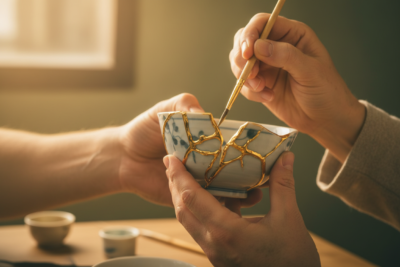
Why Professional Marriage Counseling for Infidelity is Crucial
Navigating this emotional minefield alone is nearly impossible. An experienced therapist provides:
-
A Safe Container: A neutral space to have difficult conversations without them escalating.
-
A Proven Roadmap: An expert guide who knows the stages of affair recovery and can lead you through them.
-
Essential Tools: Skills for communication, trust-building, and emotional regulation.
Attempting this journey without professional guidance is like trying to perform surgery on yourself.
Healing is a Choice You Make Every Day
The path of healing after an affair is not linear. There will be good days and bad days. But as long as both partners choose to show up, do the work, and remain committed to the process, a new, stronger, and more honest relationship is possible.
Surviving the trauma of an affair is one of the most difficult challenges a couple can face, but you do not have to do it alone. Our specialists are experienced in providing the expert guidance needed for this journey. If you are ready to begin the work of healing, please .

Urgent Questions After an Affair
How long does it take to truly get over an affair? There is no set timeline, but most experts agree it takes at least one to two years to heal and rebuild. It’s a long-term commitment that requires patience and dedication from both partners.
Can a marriage actually be stronger after infidelity? Surprisingly, yes. For couples who do the hard work of recovery, the resulting marriage can be stronger, more honest, and more intimate than before. This is because they have faced the ultimate test and rebuilt their relationship on a foundation of true understanding and conscious choice.
Should I know all the explicit details of the affair? This is a common question. A therapist will help you distinguish between the questions that lead to understanding (e.g., “What was missing for you?”) and those that create traumatic mental images (e.g., “Where did you go?”). The goal is to understand the “why” without causing unnecessary pain.
What if the unfaithful partner refuses to take full responsibility? This is a significant roadblock to healing. If the unfaithful partner remains defensive or continues to blame others, progress is impossible. This is a situation where marriage counseling for infidelity


 English
  Chinese